
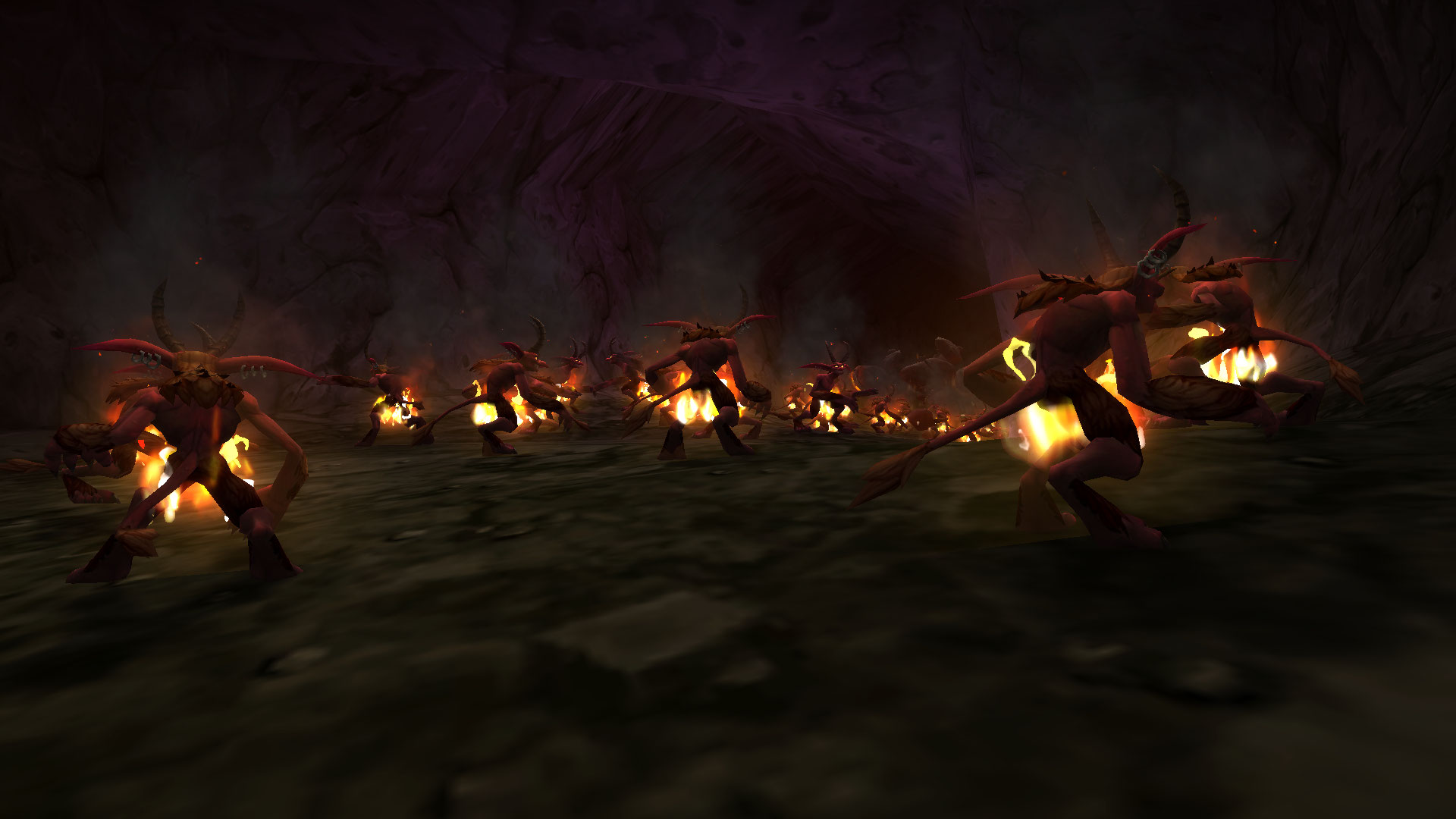
Leading a successful raid team in Molten Core, the first major raid in Original World of Warcraft, requires meticulous planning, coordination, and understanding of game mechanics. With a maximum of forty players, effective communication and strategy are critical to overcoming the challenges posed by the raid’s bosses. This guide will explore essential strategies, team dynamics, and logistical considerations to ensure your raid team can conquer Molten Core efficiently and effectively.
What are the key strategies for coordinating a forty-player Molten Core raid?
Effective coordination in a forty-player Molten Core raid involves clear communication, role assignment, and strategic planning to ensure all players contribute to the team’s success.
To successfully coordinate a large raid group, it is essential to establish clear roles for each player, including tanks, healers, and damage dealers. Communication tools such as voice chat or raid management add-ons can facilitate real-time updates and strategy adjustments. Additionally, pre-raid meetings can help clarify expectations and strategies for each boss encounter. Understanding each player’s class abilities and synergies is crucial for maximizing damage output and survivability during fights. This ensures that players are aware of their responsibilities and can react quickly to changing circumstances in the raid environment.
- Establish clear roles: Assign specific responsibilities to each player based on their class and specialization.
- Utilize communication tools: Implement voice chat and raid management add-ons for effective coordination.
- Conduct pre-raid meetings: Discuss strategies and expectations to ensure everyone is on the same page.
- Monitor player performance: Regularly assess individual contributions and adjust roles as necessary.
How do the mechanics of Molten Core bosses affect raid coordination?
The mechanics of Molten Core bosses require precise coordination and understanding of each encounter’s unique challenges to optimize raid performance.
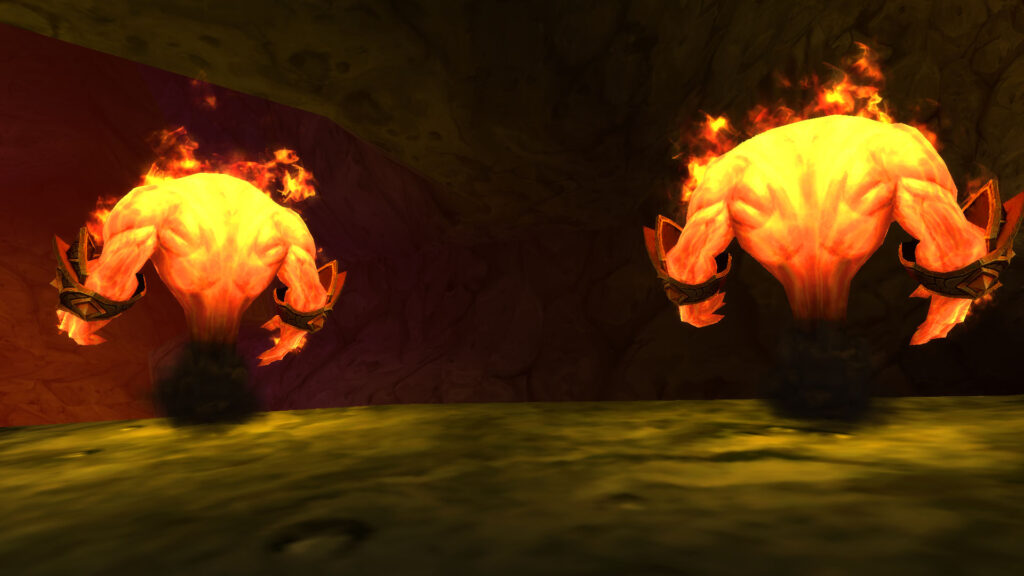
Each boss in Molten Core presents distinct mechanics that can drastically affect raid dynamics. For instance, Ragnaros, the final boss, requires players to manage adds while dealing with his powerful abilities. Understanding the damage output and mechanics of each boss allows raid leaders to devise strategies that minimize damage taken and maximize damage dealt. For example, during the fight with Lucifron, dispelling his debuffs on players is critical, necessitating coordination among healers and dispellers. Additionally, certain bosses may require specific positioning to avoid area-of-effect damage, further emphasizing the need for spatial awareness and communication among players.
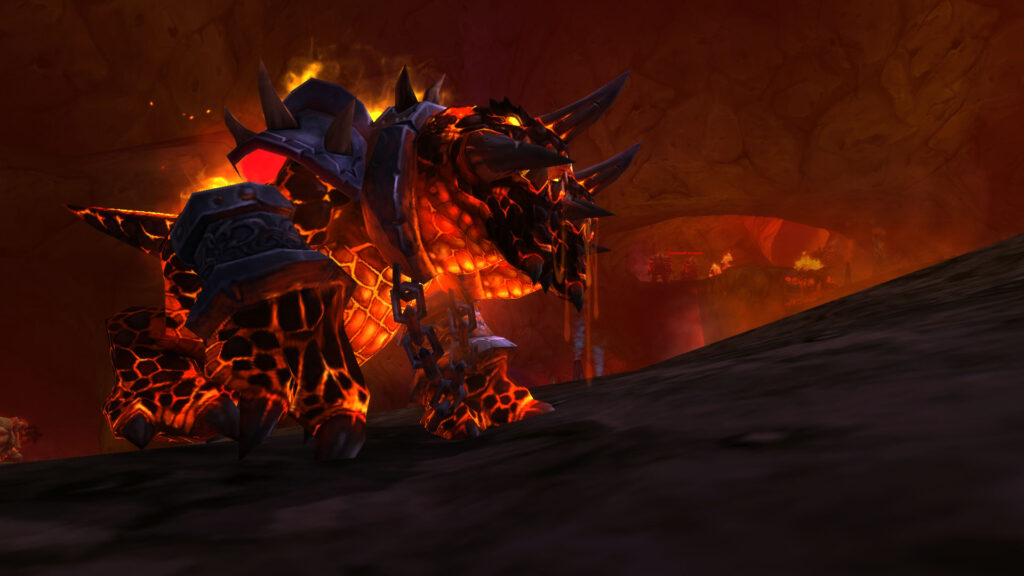
To effectively manage these mechanics, leaders should create encounter-specific strategies that outline positioning, cooldown usage, and priority targets. Utilizing tools like raid frames and threat meters can help monitor player health and threat levels, ensuring that tanks maintain aggro while healers can focus on keeping them alive. For example, during the Golemagg the Incinerator fight, tanks must be positioned correctly to manage the Lava Burst mechanic while DPS players need to focus on the Golemagg’s adds to prevent overwhelming the raid. This level of planning and execution is crucial for success in Molten Core.
What logistical considerations should be made for a successful Molten Core raid?
Logistical considerations such as raid composition, consumables, and time management are essential for a successful Molten Core raid.
Before embarking on a Molten Core raid, it is vital to ensure that the raid composition is balanced, including an adequate number of tanks, healers, and DPS players. A typical composition might include 3-4 tanks, 8-10 healers, and the remainder as DPS. Additionally, preparing consumables such as potions, elixirs, and food buffs can significantly enhance raid performance. Players should be encouraged to stock up on these items before the raid to avoid delays and ensure everyone is ready to maximize their effectiveness during encounters.
Time management is another critical logistical aspect. Scheduling regular raid times and adhering to them helps maintain player commitment and ensures that the raid can progress through encounters without unnecessary downtime. Implementing a system for loot distribution, such as a loot council or DKP (Dragon Kill Points), can also streamline the process and reduce conflicts over gear. Finally, having a backup plan for player absences or disconnects is essential to maintain raid integrity and avoid delays during critical encounters.
What are the essential roles and responsibilities in a Molten Core raid?
Understanding the essential roles and responsibilities in a Molten Core raid helps ensure that each player knows their contribution to the team’s success.
This table outlines the key roles within a Molten Core raid, detailing their primary responsibilities and ideal class specifications. Knowing these roles can help leaders effectively assign tasks and ensure a balanced raid composition.
| Role | Primary Responsibilities | Ideal Class | Notes |
|---|---|---|---|
| Tank | Soak damage, maintain aggro | Warrior, Paladin | Must have high stamina and threat generation |
| Healer | Heal tanks and raid members | Priest, Druid | Focus on dispelling debuffs when necessary |
| DPS | Deal damage to bosses and adds | Mage, Rogue | Prioritize targets based on encounter mechanics |
How should players position themselves during Molten Core encounters?
Player positioning during Molten Core encounters is crucial for avoiding damage and maximizing effectiveness in each fight.
Proper positioning is essential for mitigating damage and ensuring that players can execute their roles effectively during encounters. For example, during the fight with Gehennas, players should spread out to avoid damage from his Fireball ability while ensuring that healers can reach them easily. Similarly, during the Magmadar encounter, players need to position themselves away from the tank to avoid the knockback effect of his abilities. Understanding the mechanics of each encounter allows players to position themselves strategically, minimizing damage taken and maximizing their contribution to the fight.
Additionally, players should be aware of their surroundings and adjust their positions based on the raid leader’s calls. Using markers or raid icons can help indicate specific positions for players to stand, ensuring that everyone is aware of their designated spots. For example, during the Ragnaros fight, players need to be positioned correctly to manage the adds while avoiding the Lava Wave. This level of spatial awareness and adaptability is crucial for success in Molten Core raids.
What metrics should be tracked to optimize Molten Core raid performance?
Tracking key metrics such as damage output, healing done, and encounter duration can help optimize performance in Molten Core raids.
To improve raid performance, it is essential to track various metrics that reflect the effectiveness of the raid group. Damage meters can provide insights into individual and group DPS, allowing leaders to identify underperforming players or classes. Similarly, tracking healing done can help assess the effectiveness of healers and ensure that they are meeting the needs of the raid. Encounter duration is another critical metric, as it can indicate the overall efficiency of the raid. Shorter encounter times often correlate with better coordination and execution of strategies.
Using tools like combat logs can help analyze performance data and identify areas for improvement. For example, if a particular boss fight consistently takes longer than expected, reviewing logs can reveal whether players are dying too frequently or if damage output is insufficient. By focusing on these metrics, raid leaders can implement targeted strategies to enhance performance and ensure that the raid is progressing efficiently through Molten Core.
What expert tips can enhance long-term success in Molten Core raids?
Expert tips for long-term success in Molten Core raids include fostering a positive team culture, continuous learning, and adapting strategies based on experience.
Creating a positive team culture is essential for maintaining player morale and commitment over time. Encouraging open communication, celebrating successes, and addressing issues constructively can help build a cohesive team. Continuous learning is also vital; reviewing raid footage or logs can provide valuable insights into performance and areas for improvement. Additionally, adapting strategies based on previous encounters can lead to more efficient runs as players become more familiar with the mechanics.
Moreover, regularly rotating players in and out of the raid can help keep the experience fresh and allow more players to participate in Molten Core. This not only helps build a larger pool of experienced players but also fosters a sense of community within the guild. Finally, staying updated on game patches and changes can help leaders adjust their strategies to align with the evolving game environment, ensuring that the raid remains competitive and effective.
Frequently Asked Questions
What is the best raid composition for Molten Core?
The ideal raid composition for Molten Core typically includes 3-4 tanks, 8-10 healers, and the rest as DPS. This balance ensures adequate damage mitigation while maintaining high damage output. Specific class distributions may vary based on player availability and guild composition.
How can I improve my DPS in Molten Core raids?
Improving DPS in Molten Core raids involves understanding your class mechanics, optimizing gear, and utilizing consumables effectively. Additionally, positioning yourself correctly during encounters and focusing on priority targets can significantly enhance your damage output.
What consumables should I bring to a Molten Core raid?
Essential consumables for a Molten Core raid include potions for health and mana, elixirs for buffs, and food that provides stat enhancements. Stocking up on these items before the raid can help maximize performance and reduce downtime.
How do I handle loot distribution in a Molten Core raid?
Loot distribution in a Molten Core raid can be managed through systems like DKP (Dragon Kill Points) or loot councils. Establishing a fair and transparent system before the raid begins can help avoid conflicts and ensure that players receive appropriate rewards for their contributions.
Leave a Reply