

Beginning in 2004 with Vanilla WoW’s low-poly models, you’ve witnessed Azeroth transform. Here’s how you navigate its evolution: Initially, mastering the sparse landscapes was vital, focusing on strategic placement during battles. As graphics deepened with The Burning Crusade and Cataclysm, pay attention to improved textures—these changes demand sharper navigation skills and adaptability in combat. By Legion, enhanced realism meant every terrain twist could impact your strategic positioning. Entering Shadowlands, with its pinnacle of visual artistry, understanding the nuanced environments becomes essential. Notice how each zone’s unique aesthetic alters your approach. Keep exploring and you’ll discover strategies to master these evolving visuals, enriching your journey through Azeroth.
Key Takeaways
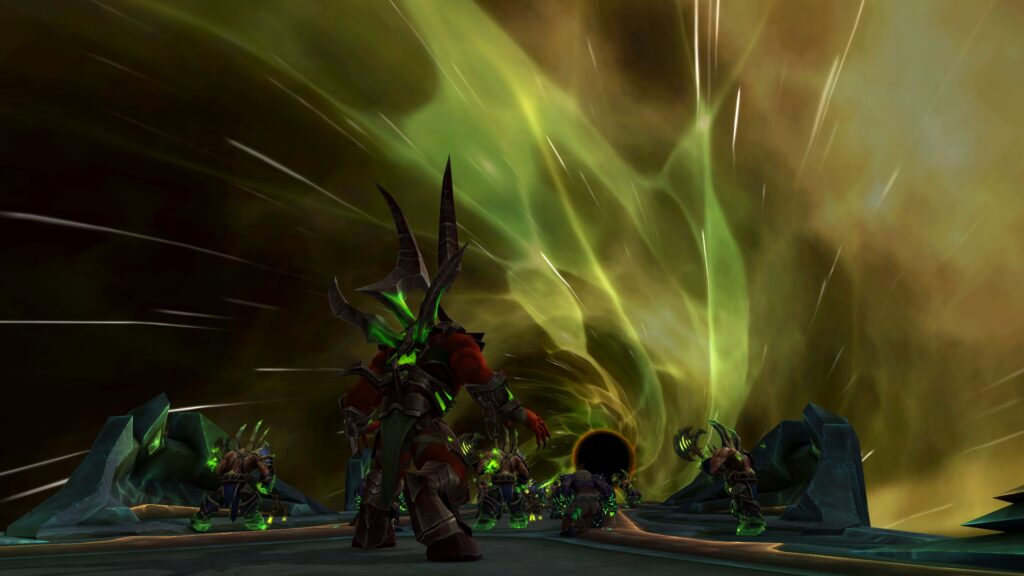
- Vanilla WoW launched in 2004 with low-poly models and expansive landscapes, setting a new graphical standard for MMORPGs.
- The Burning Crusade in 2007 introduced improved textures, shadows, and lighting, enhancing detail and visual diversity.
- Cataclysm redefined Azeroth with a graphic overhaul that included enhanced water effects and improved lighting, altering iconic zones.
- Legion expansion brought enhanced realism with better-defined terrains, detailed character models, and environmental effects like weather changes.
- Shadowlands showcases artistic mastery with diverse, detailed environments and enhanced spell effects, reflecting unparalleled detail in landscapes and character models.
The Beginnings: Vanilla WoW
When World of Warcraft first launched in 2004, its graphics set a new standard for MMORPGs, enchanting players with its vibrant and immersive world. You might recall the days of Vanilla WoW, where the journey began amidst the low-poly models and expansive landscapes that seemed so groundbreaking at the time. This era was characterized by its simple yet alluring design, a proof of the game design docs that laid the foundation for what was to come.
Drawing inspiration from its predecessors, Warcraft III and Warcraft II, Vanilla WoW’s aesthetic was a blend of nostalgia and innovation. The game’s visuals, while not as refined as modern standards, were a significant leap from the 2D sprites of Warcraft II, showcasing a vibrant world ripe for exploration. Kern’s World of Warcraft, as it was initially conceived, leaned heavily into these design philosophies, prioritizing a world that felt alive and engaging over the hyper-realism that would dominate later entries.
Understanding this evolution is essential if you’re diving back into the classic version or simply reminiscing about your first foray into Azeroth. The graphics of Vanilla WoW were not just a backdrop but a canvas that allowed players to craft their own legends within this meticulously designed world.
The Burning Crusade and Detail Enhancement
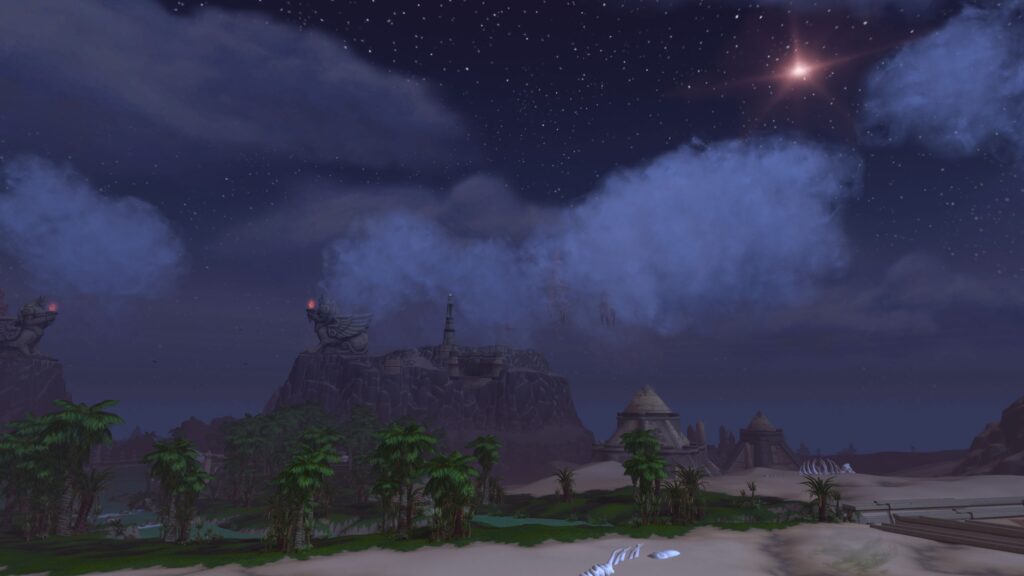
With the launch of The Burning Crusade in 2007, WoW’s graphics underwent a substantial upgrade, enhancing detail and bringing Azeroth’s expanding universe to life like never before. You’d notice the leap in visual fidelity the moment you stepped through the raid portal, with every texture, shadow, and light source meticulously crafted to immerse you deeper into the game action.
The introduction of new playable races added not just to the lore, but also to the visual diversity of characters. Each race came with its unique animations and aesthetics, enriching the visual tapestry of the world. Raid additions, including built-in raid frames, streamlined the coordination within an ultra high-level raid zone, making it easier for you to keep track of your team’s health and statuses in the heat of battle.
These raid frames, a seemingly small addition, significantly impacted how players experienced raid content. It allowed for a smoother, more engaging combat experience, ensuring that you could focus more on strategy and less on managing the interface. The detail enhancement in The Burning Crusade wasn’t just about making things look better. It was about deepening your immersion and interaction with the world, making each raid portal you stepped through an entry to not just another challenge, but a visually stunning adventure.
Cataclysm: Redefining Azeroth
Following the detail enhancements introduced in The Burning Crusade, Cataclysm took a groundbreaking step by completely redefining Azeroth’s landscape and graphics. You’ve seen the world evolve, but Cataclysm was where the transformation reached a whole new level. The expansion didn’t just upgrade textures or add new content; it overhauled the very continents of Azeroth, altering familiar zones forever and introducing a dynamic that changed how you interacted with the world.
To understand the scope of this transformation, consider the following changes:
- Terrain Redesign: Iconic zones were fractured, flooded, or forever altered, demanding new strategies for navigation and quest completion.
- Graphic Overhaul: Enhanced water effects, improved lighting, and more detailed environments significantly increased immersion.
- New Flight Mechanics: The ability to fly in Azeroth’s original continents opened up previously inaccessible areas, altering how you explored and engaged with the world.
These changes weren’t just cosmetic; they redefined gameplay in Azeroth. You had to learn and adapt to new terrains, discover altered paths, and explore the reshaped world with fresh eyes. Cataclysm set a precedent for future expansions, showing that WoW’s universe was not static but an evolving canvas that would continue to grow and change.

Legion and Beyond: Enhanced Realism
WoW’s Legion expansion, and the updates that followed, marked a significant leap in the game’s pursuit of enhanced realism, introducing more sophisticated graphics and environmental details that further immersed players in its expansive world.
With Legion, you’d notice a dramatic improvement in textures and lighting effects, making the environments more lifelike. This upgrade wasn’t just for show; it transformed how you interacted with the world and tackled challenges. For instance, the better-defined terrains meant you had to strategize your movements and positions in battles more carefully, especially in the new, visually complex areas like the Broken Isles.
The introduction of more detailed character models and animations also enhanced the realism. Now, every spell cast and every movement felt more impactful, adding a layer of depth to combat that required you to pay closer attention to visual cues from enemies. This meant your reaction times had to be sharper, as the cues for enemy attacks were more subtle and integrated into their animations.
Furthermore, the environmental changes weren’t just cosmetic. Weather effects and day-night cycles affected gameplay, requiring you to adapt to these conditions. For instance, certain enemies became stronger at night, pushing you to plan your questing around these cycles for efficiency.
Shadowlands: Artistic Mastery
Entering the Shadowlands expansion, you’ll witness a pinnacle of artistic mastery, showcasing a breathtaking evolution in the game’s visual design. This domain isn’t just a step up; it’s a leap into a world where every detail, from the ethereal landscapes to the intricate character models, is a tribute to the creativity and technical prowess of the artists behind World of Warcraft.
To truly appreciate the artistry of Shadowlands, consider these three key aspects:
- Diverse Environments: From the gothic spires of Revendreth to the vibrant groves of Ardenweald, each zone is a unique masterpiece, filled with rich textures and dynamic lighting that breathe life into the afterlife.
- Character Models and Armor: The new character models and armor sets reflect the themes of their respective zones, with an unparalleled level of detail that makes each piece feel crafted, not just designed.
- Animation and Effects: Spell effects and animations have been notably enhanced, ensuring that every battle and interaction is visually spectacular and immersive.
In Shadowlands, every pixel tells a story, immersing you in a world that’s as beautiful as it is deadly. As you journey through these lands, take a moment to appreciate the art that surrounds you; it’s an integral part of the experience.
Frequently Asked Questions
How Have Player Community Feedback and Technological Advancements Influenced the Evolution of Wow’s Graphics Over the Years?
You’ve seen WoW’s graphics transform thanks to tech advancements and player feedback. They’ve shifted from basic models to breathtaking visuals, showing how your voice and tech progress shaped Azeroth’s ever-evolving beauty.
In What Ways Have the Changes in Wow’s Graphics Impacted the Game’s System Requirements for Players?
With WoW’s graphics evolving like a caterpillar into a butterfly, you’ve likely noticed your computer sweating harder. Higher resolutions and detailed textures mean beefier hardware’s needed, pushing you to upgrade for a smoother experience.
How Do Wow’s Graphic Enhancements Compare to Other Contemporary Mmorpgs, and What Sets It Apart?
You’re wondering how WoW’s graphics stack up against other MMORPGs? It’s all about the unique art style and continuous improvement that sets it apart, blending realism with fantasy unlike any other game in the genre.
Can You Elaborate on the Role of Environmental Storytelling Through Graphics in Wow, and How Has This Aspect Evolved?
In WoW, graphics play a crucial role in storytelling, immersing you in its world. Over time, this has evolved from basic visuals to rich landscapes, enhancing the narrative and your connection to the game.
What Future Graphic Technologies or Trends Do You See Being Incorporated Into Wow, and How Might They Further Transform the Player Experience?
You might see ray tracing enhancing WoW’s realism, making landscapes more immersive. Virtual reality could transform how you explore Azeroth, offering a deeper delve into its world like never before, revolutionizing your gameplay experience.
Home
Leave a Reply