
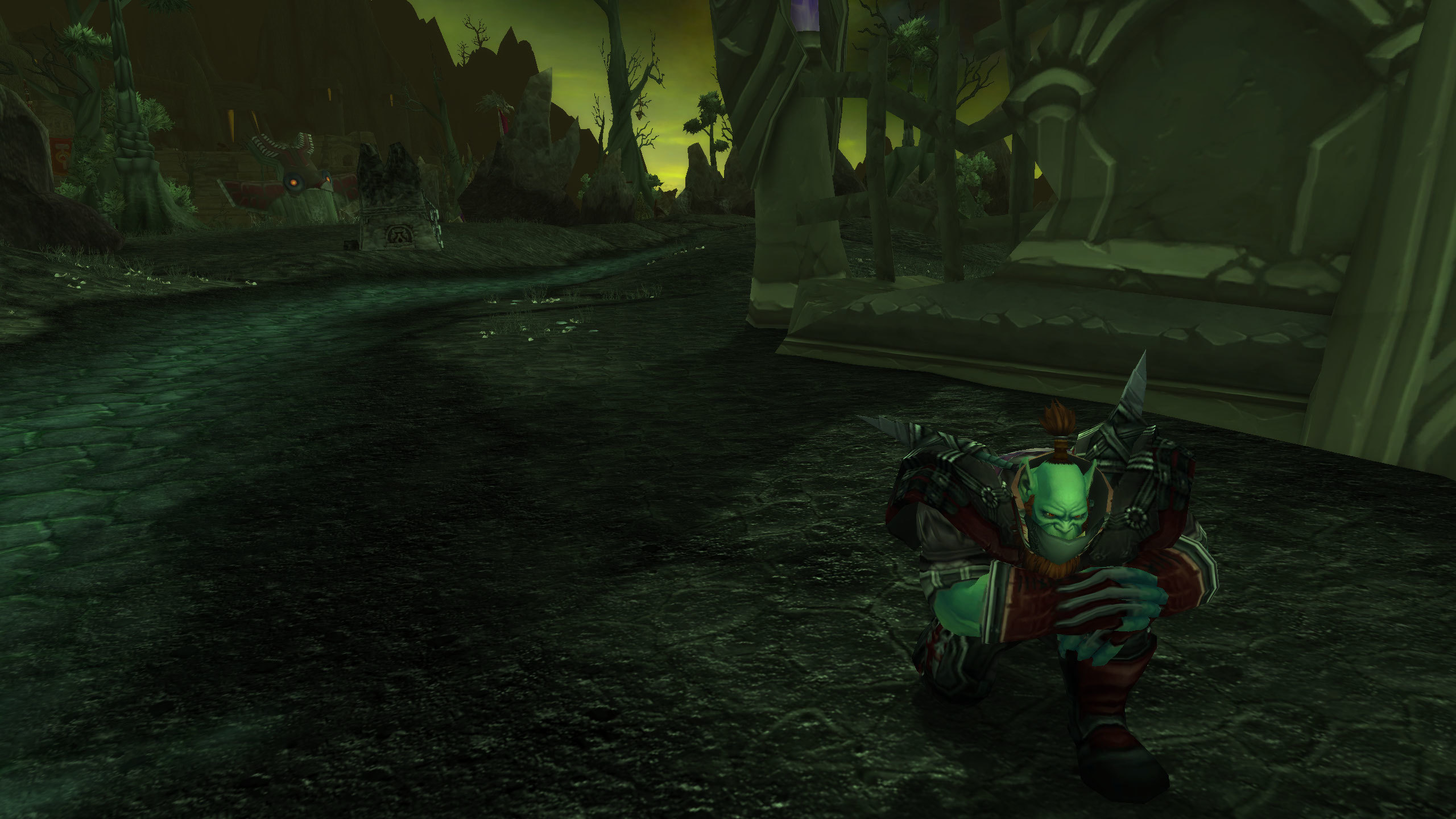
From the earliest days of World of Warcraft to the latest builds of The War Within, one truth remains consistent across the entire lifespan of the game: Warriors are the standard by which all melee classes are measured. Whenever Blizzard introduces a new melee spec, adjusts tuning, or reworks combat flow, design teams and veteran players alike inevitably compare it to the Warrior’s core identity—raw power, direct combat, and the iconic fantasy of weapon mastery.
Warriors embody the simplest concept in RPG design, yet they deliver some of the richest gameplay experiences. Their straightforward fantasy hides a depth of mechanics that has influenced combat design across twenty years of development. This article explores why Warriors continue to define melee gameplay, how their design remains timeless, and what makes their toolkit essential to WoW’s class ecosystem.
The Foundation of Melee Identity
Warriors represent the purest melee archetype imaginable: strength, steel, and direct confrontation. They rely on physical attacks rather than spells, generating resources through aggression instead of passively regenerating them. The fantasy is rooted in close-quarters combat, raw numbers, and explosive damage windows. Blizzard intentionally keeps this identity intact across expansions, making the Warrior feel like a constant in a world where systems change frequently.
This reliability makes them the benchmark for evaluating all other melee classes.
Rage: The Resource That Defines Momentum-Based Combat
The Warrior’s Rage system is a defining mechanic in RPG combat design. Unlike mana or energy, Rage encourages players to act aggressively rather than defensively. The harder a Warrior hits—and the more they engage—the more powerful they become. This creates a dynamic combat loop built on momentum. It feels natural and satisfying in a way few other resource systems achieve.
Blizzard often references Rage when conceptualizing new melee resource systems, because it remains one of the most intuitive mechanics ever implemented.
List: Elements That Make Warriors the Benchmark of Melee Design
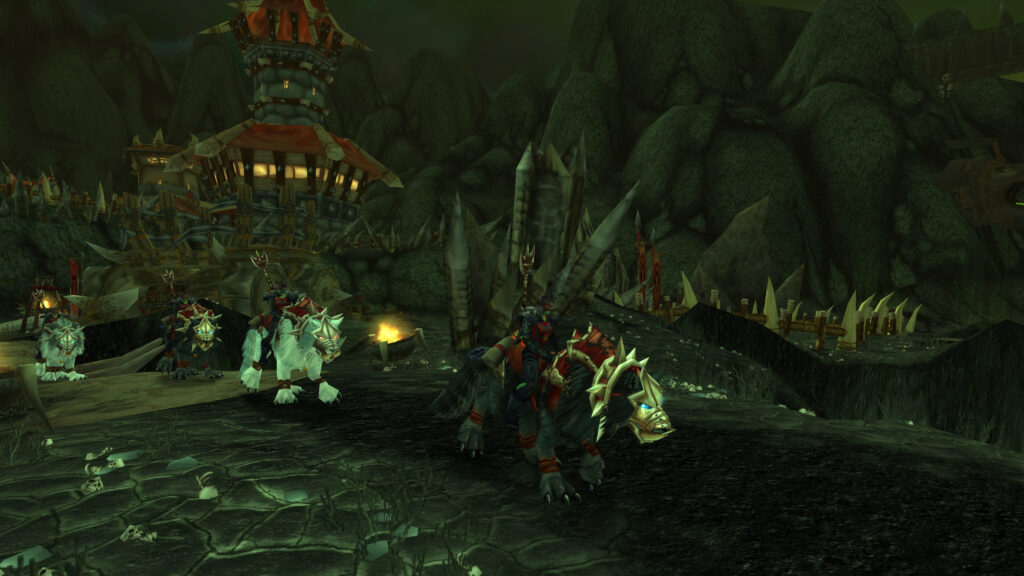
Several gameplay pillars contribute to the Warrior’s influence on melee class design. These elements set expectations for pacing, mobility, threat control, and moment-to-moment decision-making.
- Clear Offensive Identity: Warriors have an unmistakable purpose—deal damage or soak it through sheer toughness.
- Momentum-Based Resource: Rage creates flow, buildup, and payoff unlike any other melee mechanic.
- Weapon-Centric Toolkit: Abilities feel powerful due to impactful sound, animation, and timing.
- Consistent Mobility: Charge, Intercept, and Heroic Leap define melee gap-closing across WoW.
- Strong Defensive Options: Shields, mitigation abilities, and cooldowns allow Warriors to survive burst damage.
- Team Utility: Shouts, banners, and interrupts give Warriors relevance beyond raw damage.
These pillars create a balanced, flexible identity that influences the design of every other melee class.
Animation and Impact: The Weight of Every Swing
Warriors have some of the most satisfying animations in the game. Each strike looks heavy, grounded, and deliberate. Blizzard ensures that abilities like Mortal Strike, Slam, and Execute visually communicate power through frame-timing, weapon trails, and audio cues. The sound of a critical hit or a perfectly timed Execute reinforces the fantasy of mastery in battle.
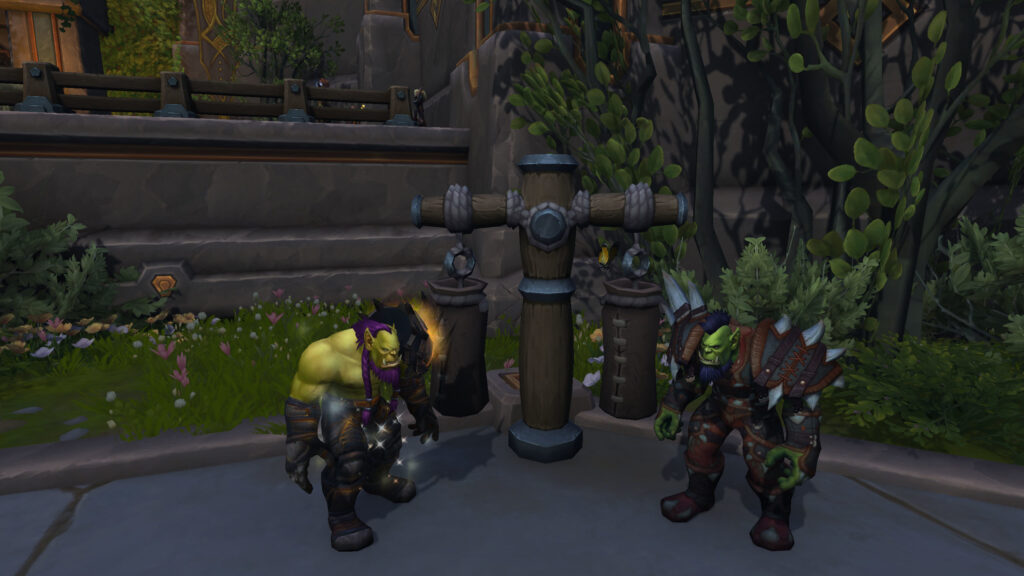
Newer classes often strive to match this sense of physicality, but the Warrior remains uniquely visceral.
The Warrior’s Influence on Tank Design
Protection Warrior is one of the most influential tank specs ever created. The shield-and-sword style, active mitigation, and rotational pacing create a gold standard for tanking mechanics. Abilities like Shield Block and Ignore Pain established patterns for mitigation-based tanking long before modern systems evolved.
Every new tank spec is compared to the feel and reliability of Protection Warrior.
Fury and Arms: Two Expressions of Power
Warriors offer players two distinct DPS fantasies. Arms delivers methodical, heavy-hitting strikes with deliberate pacing, emphasizing precision and timing. Fury embodies the opposite—relentless speed, dual-wield chaos, and an adrenaline-fueled rhythm. Both styles represent different interpretations of melee identity, yet they remain grounded in the same core fantasy: brutal combat through weapon mastery.
The coexistence of two radically different playstyles within one class shows the depth and versatility of Warrior design.
Mobility: A Standard Set by Warriors
Warriors were the first melee class with an instant gap-closer. Charge set the tone for all future mobility designs. It allowed Warriors to dictate their own engagement range, making melee feel more fluid and less frustrating. Blizzard later introduced Heroic Leap as a three-dimensional mobility option, turning Warriors into one of the most agile classes despite their heavy armor.
Modern melee mobility owes its identity to the Warrior’s early toolkit.
The Warrior’s Role in Group Play
Warriors bring more than damage or tanking—they bring leadership. Battle Shout bolsters allies, Rallying Cry stabilizes dangerous moments, and powerful stuns and interrupts offer essential control. These tools appear simple, but they have shaped group dynamics for years. Raids and Mythic+ groups often treat Warriors as foundational pieces of their composition.
The class was built from the beginning to fill multiple roles effectively.
The Warrior’s Enduring Popularity
Warriors appeal to both new and veteran players because of their clarity. New players grasp the fantasy instantly, while veterans appreciate the skill expression hidden within the rotation, cooldown management, and encounter positioning. Warriors also scale exceptionally well with gear, making them rewarding to invest in during every patch and expansion.
Few classes maintain this balance of accessibility and depth over such a long lifespan.
Looking Ahead: Warrior Design in The War Within
The War Within introduces Hero Talents that double down on Warrior identity. Warden, Slayer, and others reinforce themes of martial mastery, battlefield control, and relentless assault. These new layers prove that Blizzard still considers Warriors the foundation of melee design—the baseline from which new combat ideas evolve.
Even after two decades, Warriors remain the benchmark for evaluating design quality in melee gameplay.
Conclusion
Warriors have defined melee gameplay in World of Warcraft since 2004, and their influence continues into modern expansions. Their resource system, mobility, animations, and clear fantasy create a timeless class identity that shapes design decisions for every new melee spec. Whether charging into raids, dominating battlefields, or setting the pace in dungeons, Warriors remain the purest expression of melee combat in Azeroth.
Other classes may evolve, but Warriors will always stand as the measure of what melee design should feel like—direct, powerful, and endlessly satisfying.
Leave a Reply